Repair-first approach
Fix the failed part instead of replacing the whole window when repair makes sense
Most calls start with a symptom: a cracked pane, fog between the glass, a room that feels drafty, a window that will not open, or a latch that no longer locks. The right repair depends on the frame condition, glass type, hardware, and whether replacement parts are available.
Glass and seal repairs
Cracked glass, broken panes, cloudy insulated glass, and failed window seals can often be addressed by replacing the pane or insulated glass unit.
Broken glass repairOperation and hardware repairs
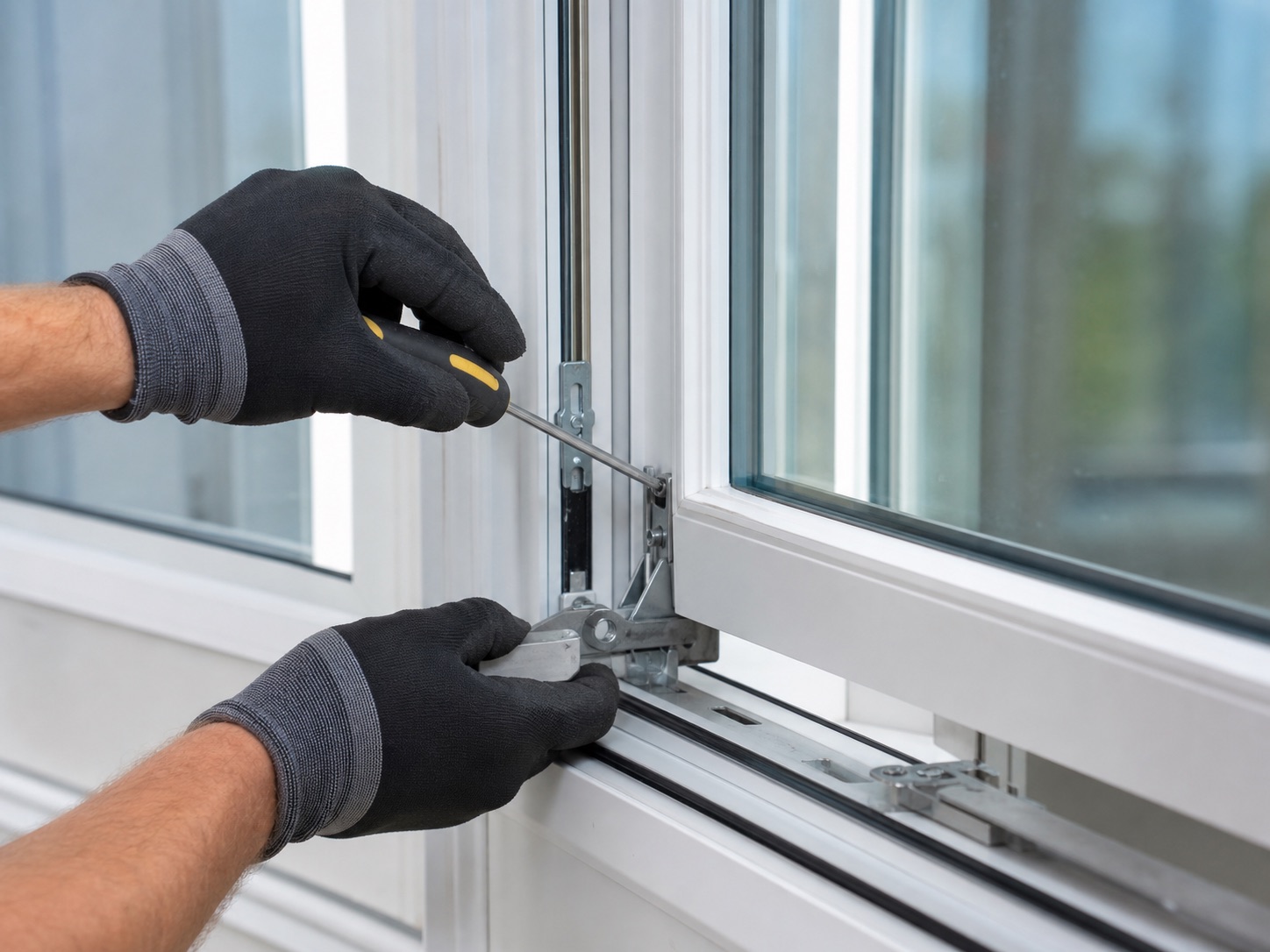
Balances, sashes, tracks, locks, latches, and cranks affect how the window opens, closes, seals, and locks.
Send hardware photosScreens and airflow
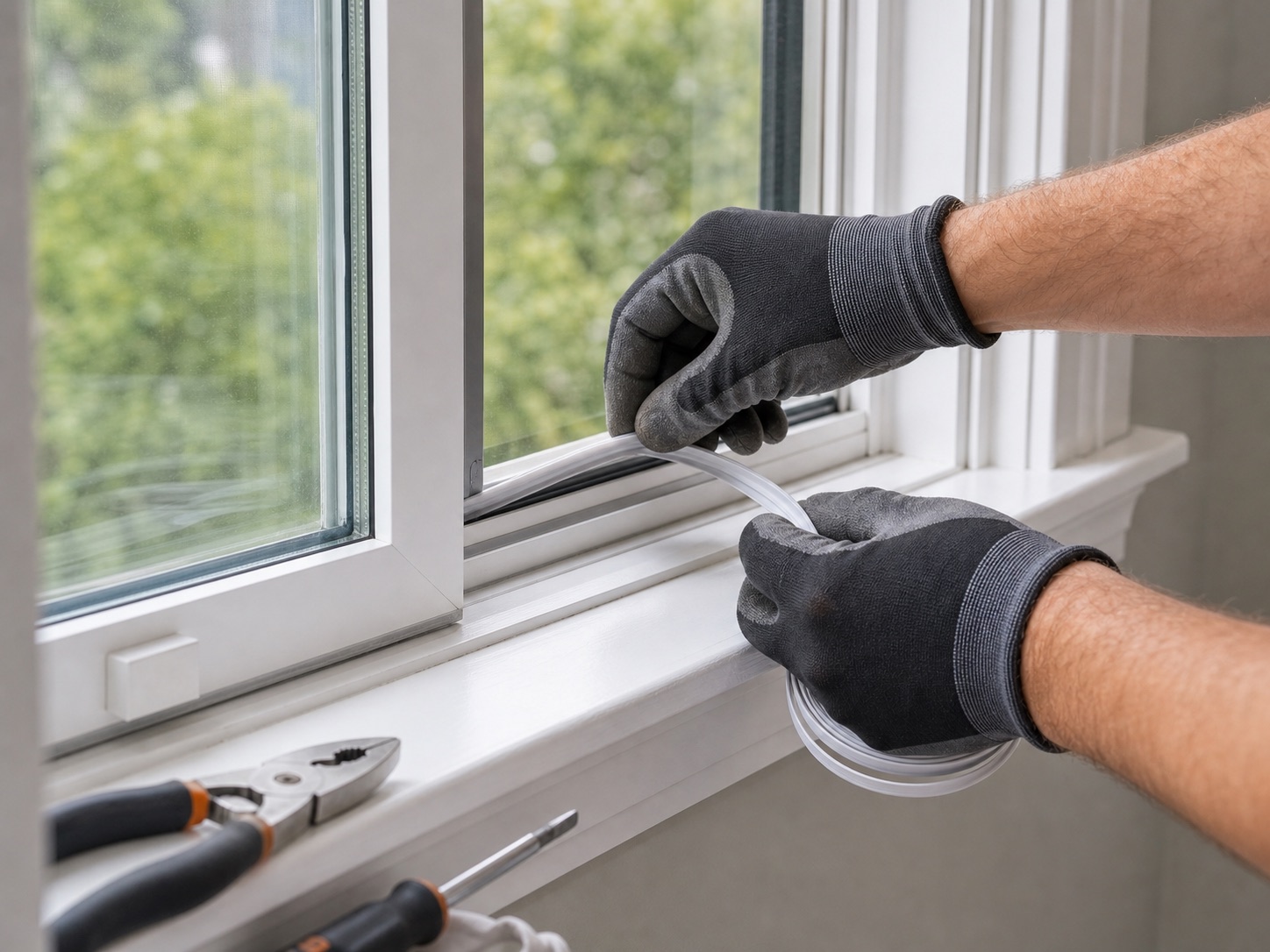
Torn mesh, bent frames, and missing screens can be repaired or replaced so you can open windows comfortably.
Window screen repairSliding doors and commercial glass
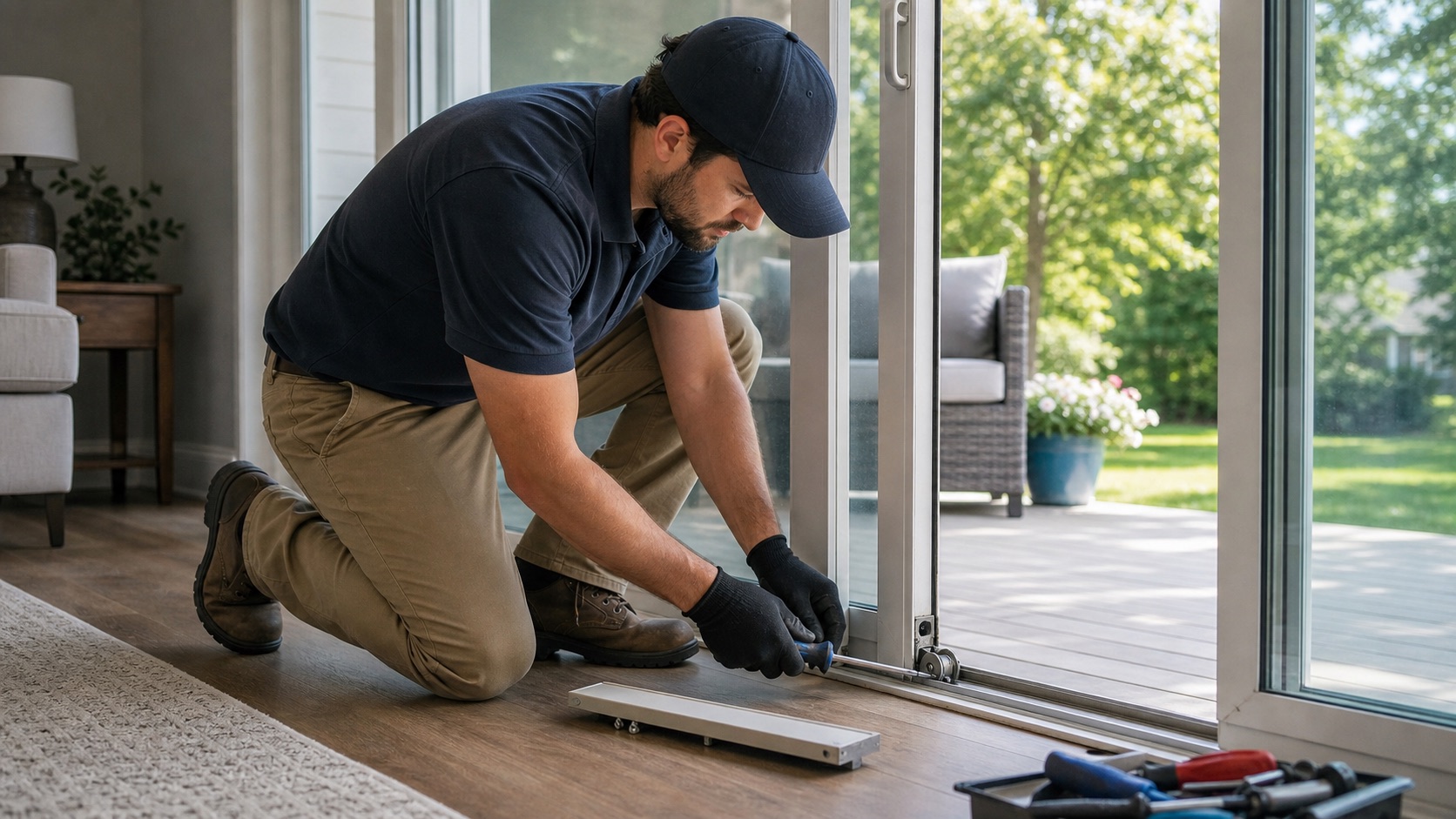
Rollers, tracks, handles, locks, storefront glass, and commercial windows can be reviewed for repair options.
Sliding door repairWhat to send with your quote request
- Photos from inside and outside, including the whole window and a close-up of the damaged part.
- Rough width and height of the glass, screen, or opening if you can measure safely.
- Window material if known: wood, vinyl, aluminum, fiberglass, or older specialty frame.
- Your ZIP code and whether the opening is secure or needs temporary protection.
A practical replacement plan if repair is not enough
If a window is too rotted, warped, or damaged to repair well, the next step should still be manageable. Start with the windows causing safety, water, draft, or daily-use problems, then phase the rest instead of replacing everything at once.
- Separate urgent repairs from replacement candidates.
- Use repair where it safely extends the life of a window.
- Group replacements by room, side of home, or highest energy loss.
- Ask about payment options only after the scope and total cost are clear.